Industry Background
The global adoption of electric vehicles (EVs) is accelerating rapidly, driving strong demand for smart charging station infrastructure. Modern charging stations are no longer simple power outlets; they integrate real-time monitoring, user interaction, remote management, payment systems, and energy optimization.
To operate reliably in outdoor and semi-outdoor environments, these systems require industrial-grade hardware, including:
a. Industrial monitors for human-machine interface (HMI)
b. Industrial panel PCs for integrated control and visualization
c. Industrial embedded computers for data processing and networking
Compared with consumer-grade devices, industrial computing platforms provide long lifecycle support, wide temperature tolerance, and high stability, making them ideal for 24/7 charging station operation.
Challenges in Smart Charging Station Deployment
Smart EV charging stations face multiple technical and environmental challenges:
1. Harsh Outdoor Environments
Charging stations are often installed in parking lots, highways, or commercial outdoor areas. They must withstand rain, dust, humidity, wide temperature ranges, Vibration and power fluctuations.
2. Continuous Operation Requirements
Charging systems must operate 24/7 without downtime, and supporting operations include charging control, payment processing, user display, and backend communication.
3. Complex System Integration
Smart charging requires the integration of power modules, touch displays, RFID or QR code scanners, cameras, network modules (4G/5G/Wi-Fi/Ethernet), and Cloud platforms, etc.
4. Data Security and Remote Management
Operators need secure data transmission, remote diagnostics, OTA firmware updates, and energy usage monitoring.
These challenges make industrial monitors, panel PCs, and industrial computers essential for smart charging station solutions.
Typical User Scenario
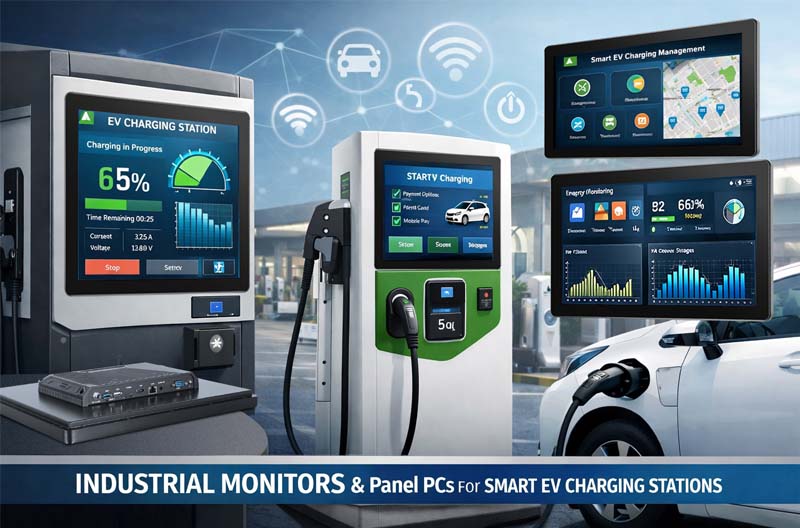
A typical smart charging station includes:
a. Industrial touch monitor for user interaction
b. Industrial panel PC for local control and visualization
c. Industrial embedded computer for backend data processing
User Flow:
1. The driver plugs in the EV connector
2. User authenticates via touchscreen (RFID / QR / app)
3. Charging parameters are displayed in real time
4. The system communicates with the cloud platform for billing and monitoring
5. Status data is transmitted to the central management system
6. The operator remotely monitors station health and energy consumption
Throughout this process, industrial hardware ensures stable performance, accurate data display, and secure connectivity.
Smart Charging Station Hardware Solution
1. Industrial Monitors (HMI Display)
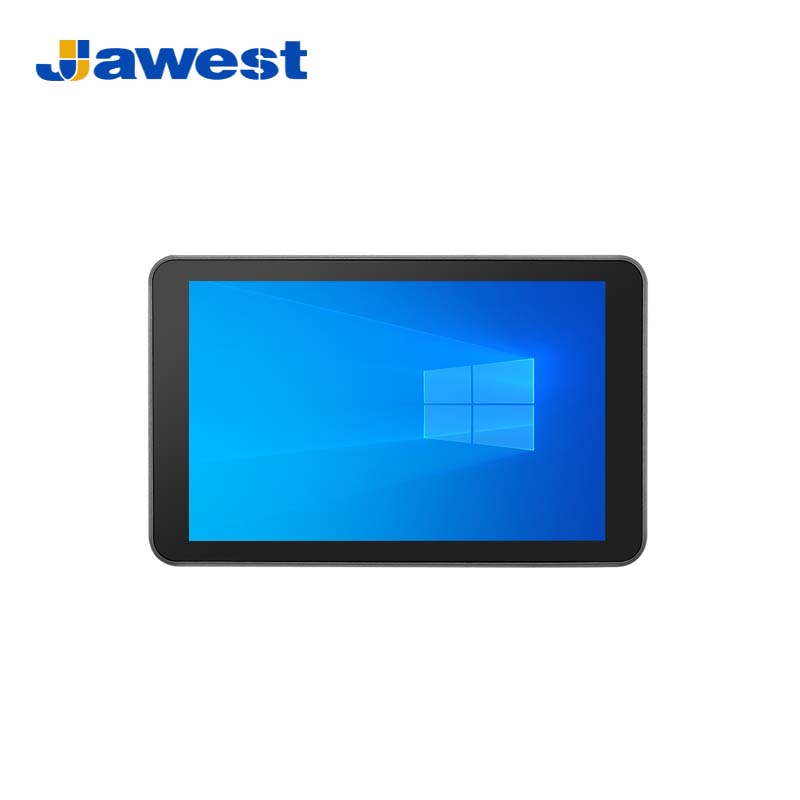
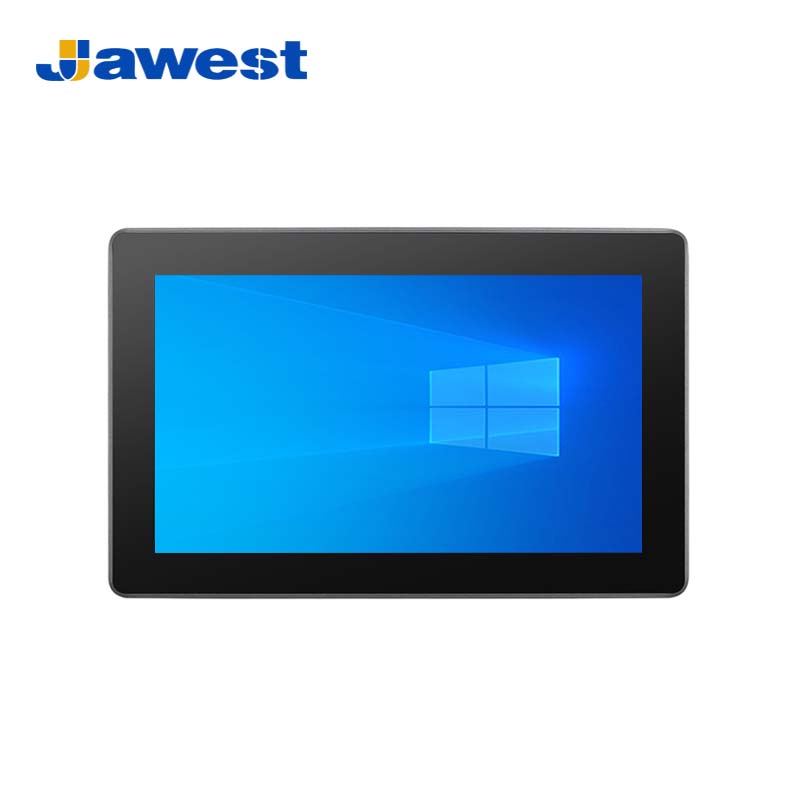
Industrial monitors serve as the main user interface. When deployed in the smart charging station system, they are usually featured with a high-brightness LCD and an IP65 front panel (sunlight-readable for outdoor or semi-outdoor use). Adopting a projected capacitive (PCAP) touch screen for users' flexible operation. What's more, the industrial monitors can offer 24/7 long stable operation in wide temperature environments (such as -10°C to +60°C). An HD display screen is required for displaying charging status, power level, time remaining, payment confirmation, and error alerts.
2. Industrial Panel PCs (All-in-One Control)
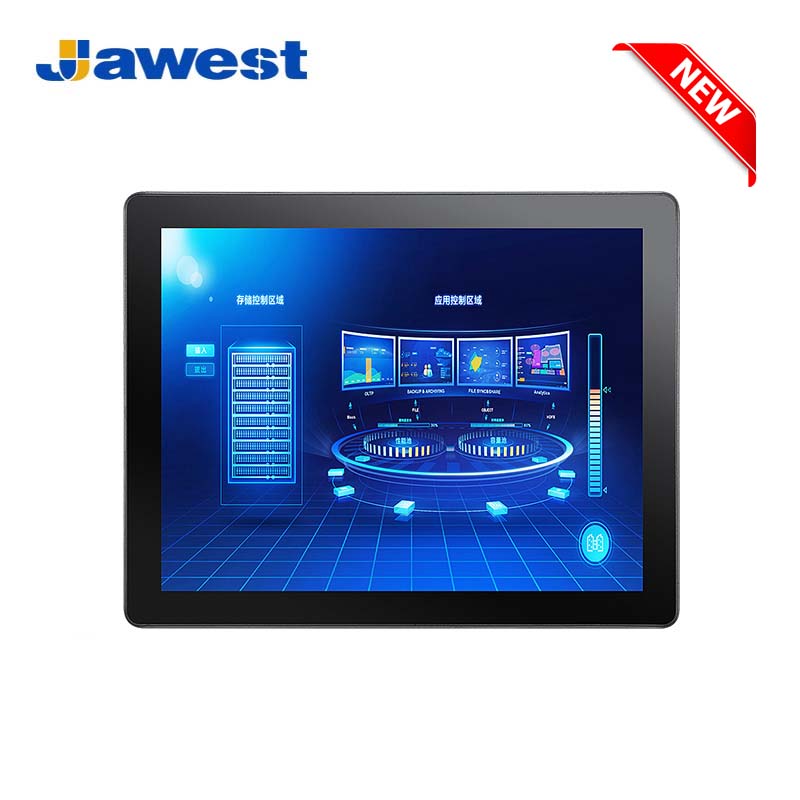
Industrial panel PCs integrate display and computing into one unit. They adopts fanless design for silent operation. Equipped with Intel or ARM-based processors, rich I/O (USB, COM, LAN, GPIO, CAN bus). And support multiple OS, including Android, Linux, Windows, and more. Industrial panel PCs are recommanded use panel mount installation in the EV kiosks for semaless install, easy to clean and maintain. The functions of the industrialpanel PCs include charging logic control, user interface rendering, peripheral device integration, and local data storage.
3. Industrial Embedded Computers (Edge Processing)
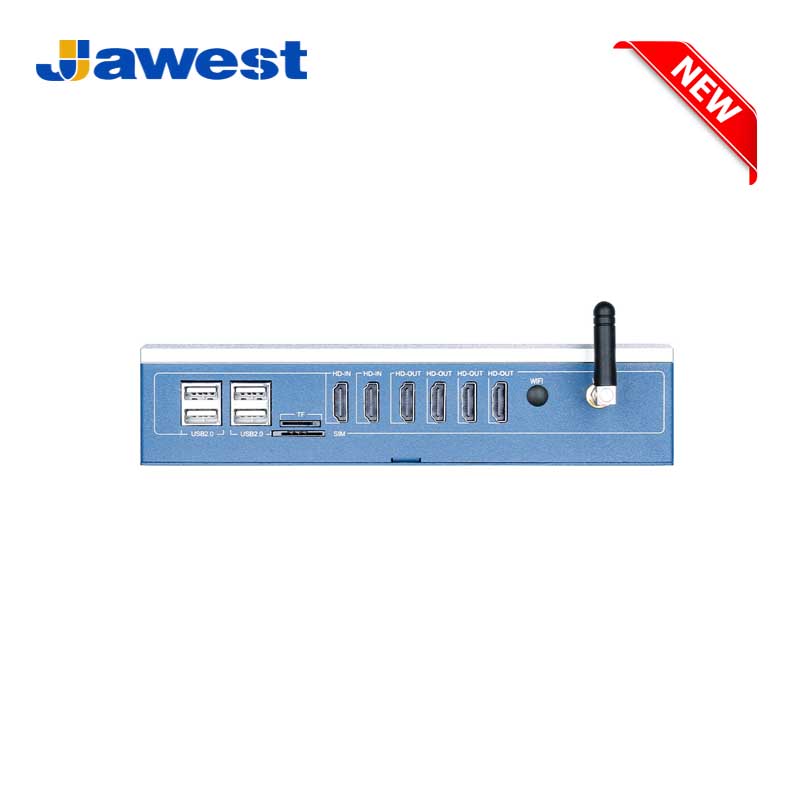
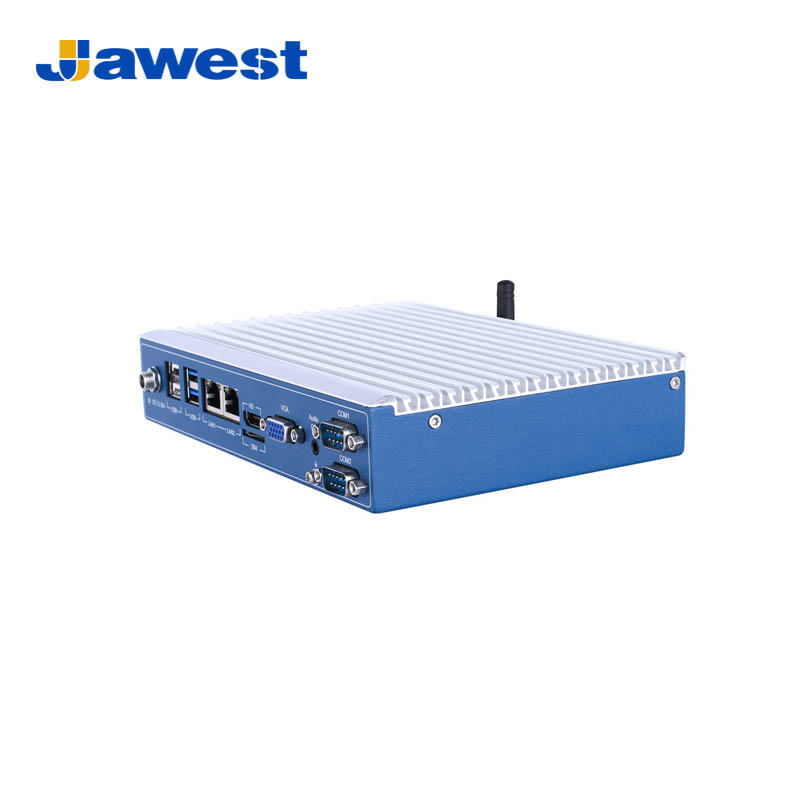
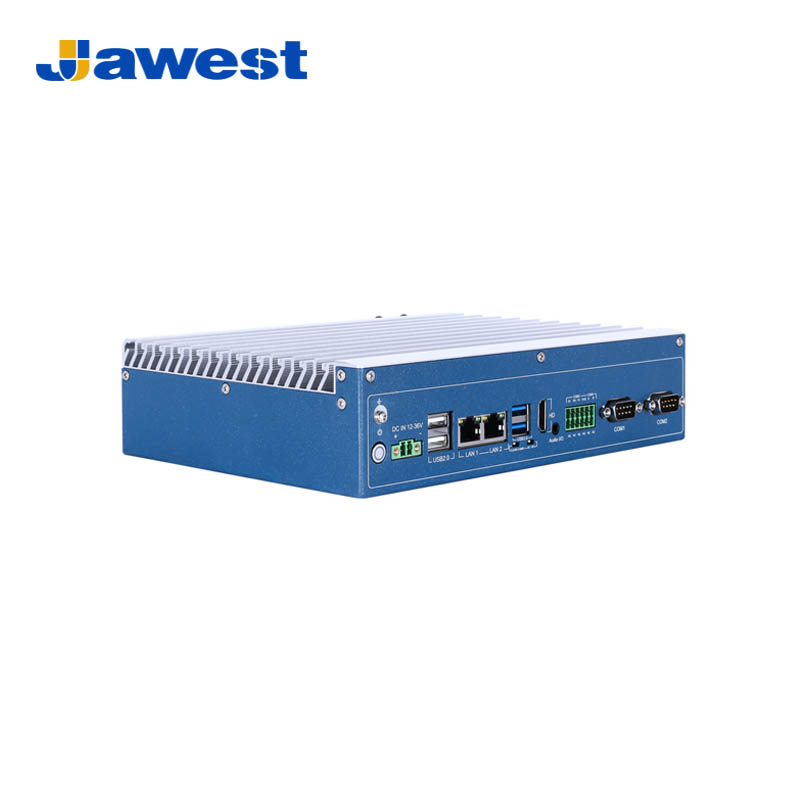
Industrial embedded computers act as the system brain in the smart charging system. They are engineered with a fanless aluminum chassis, wide voltage input (9–36V DC), and support multiple LAN ports for networking, 4G/5G expansion, and TPM support for data security. They manage communication with cloud servers, energy management algorithms, remote diagnostics, load balancing, and firmware updates.
Jawest Core Capabilities / Advantages
Jawest provides a complete range of industrial monitors, industrial panel PCs, and industrial computers specifically designed for smart charging station solutions.
1. Industrial-Grade Reliability
- Wide temperature range support
- Fanless thermal design
- Anti-vibration and anti-interference construction
- Long-term stable component supply
2. Outdoor-Ready Display Technology
- High brightness (1000+ nits optional)
- Optical bonding for better readability
- IP65 front panel protection
- Glove and wet-touch support
3. Flexible Customization
Jawest offers:
- Multiple screen sizes (7”–32”)
- Custom I/O configuration
- Rugged Aluminium alloy housing design
- Logo and firmware branding
- OS pre-installation
4. Rich Connectivity for Smart Charging
- RS232/RS485 for power modules
- CAN bus for charging protocol control
- LAN and wireless communication
- Support for cameras
5. Long Lifecycle Support
- Industrial components with extended availability
- BIOS and firmware customization
- Stable product roadmap
These advantages make Jawest an ideal hardware partner for EV charger manufacturers, smart energy solution providers, parking system integrators, and smart city infrastructure projects.
Conclusion
Smart charging stations require more than basic computing devices—they need industrial-grade monitors, panel PCs, and embedded computers that can operate reliably in demanding outdoor environments while handling real-time data processing and user interaction.
By combining industrial monitors for HMI, industrial panel PCs for local control, and industrial embedded computers for networking and edge computing. A robust and scalable smart charging station solution can be built.
With its strong capabilities in industrial design, customization, and long-term reliability, Jawest delivers a complete hardware platform that supports the growth of intelligent EV charging infrastructure worldwide.
Industrial computing is not just a component of smart charging stations—it is the foundation of their intelligence, stability, and future scalability.