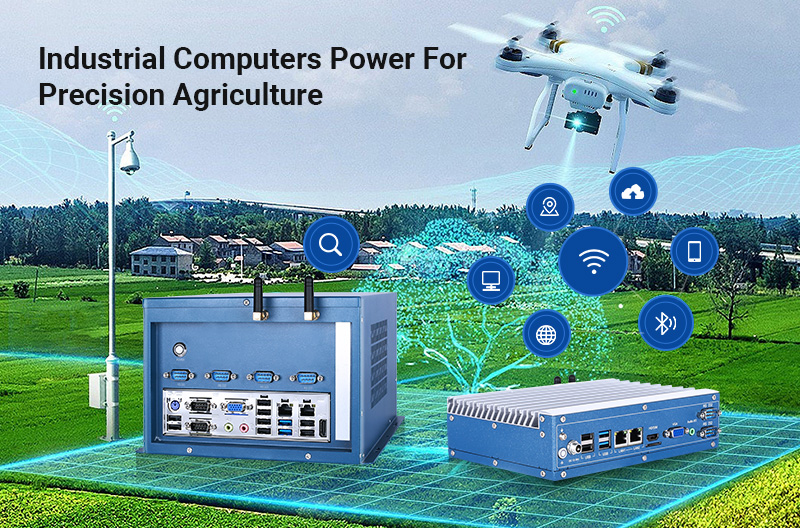
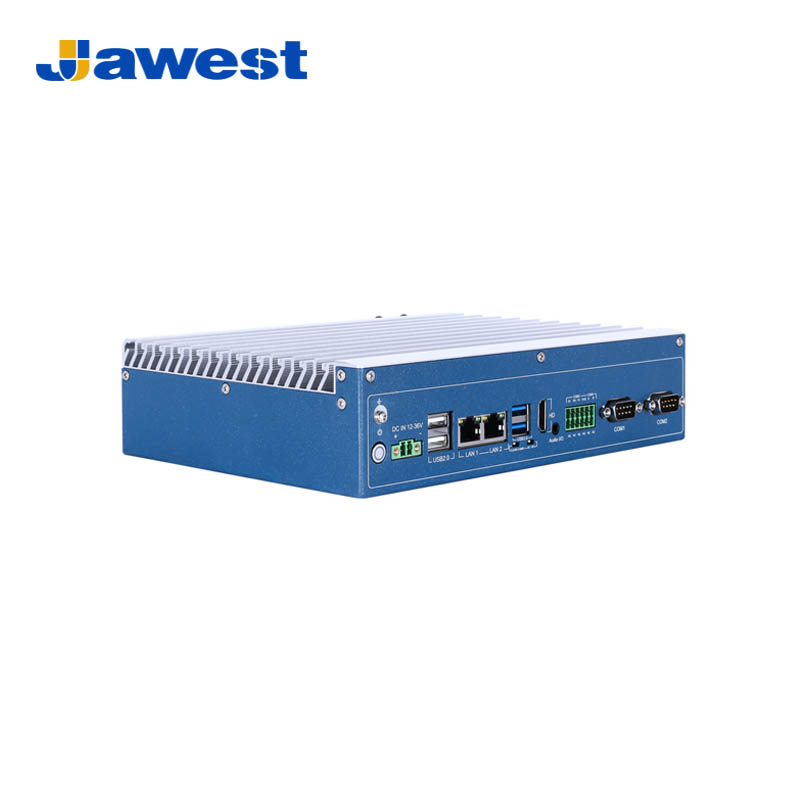
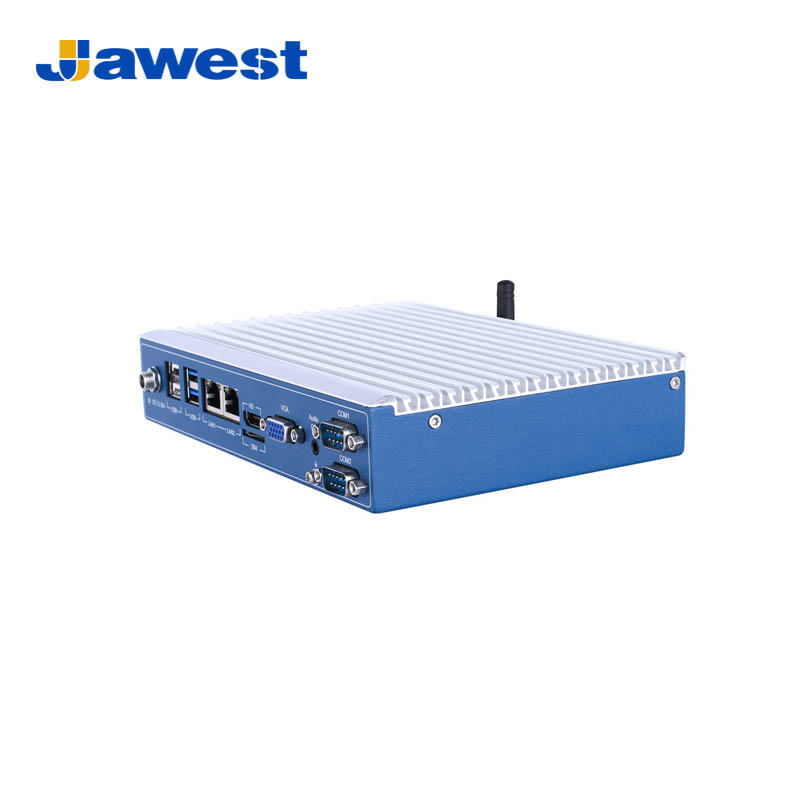
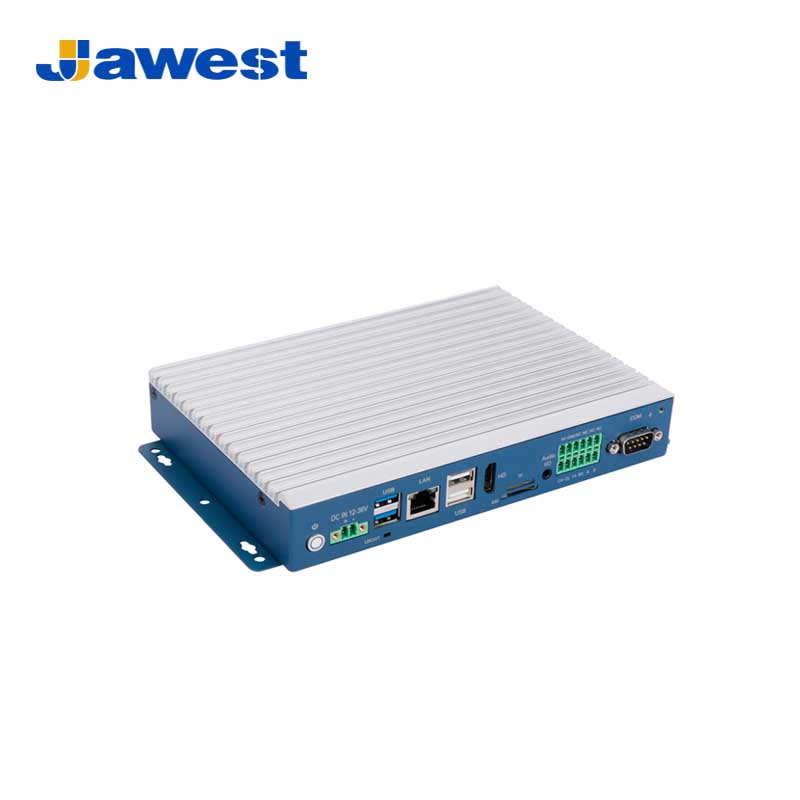
Industrial computers play a central role in modern smart farming ecosystems, enabling reliable, automated, and data-driven agricultural operations. Designed for harsh outdoor and semi-outdoor environments, these rugged platforms integrate sensing, processing, connectivity, and control functions that transform traditional farms into intelligent production systems. Their deployment typically spans field monitoring, automated machinery, environmental control, data analysis, and farm-wide connectivity.
1. Environmental Monitoring and Data Acquisition
Industrial computers directly interface with agricultural sensors to collect real-time data, such as:
- Soil moisture, temperature, and nutrient levels
- Air temperature, humidity, and CO₂ concentration
- Light intensity and UV levels
- Water quality indicators in aquaculture
- Weather station data (rainfall, wind speed, barometric pressure)
With multiple COM ports, GPIO, analog inputs, and industrial protocols (Modbus, CANBus, RS232/422/485), they establish robust data acquisition networks even across wide farmland areas. The system processes data locally at the edge to support immediate decision-making.
2. Edge Computing for Real-Time Decision Support
Smart farming requires immediate actions based on changing field conditions. Industrial computers equipped with Intel® Celeron®, i3/i5/i7, or ARM processors perform edge analytics to:
- Predict irrigation demands
- Optimize fertilization schedules
- Detect pest/disease conditions using machine vision
- Trigger greenhouse ventilation and shading
- Control smart pumps, sprayers, and nutrient mixers
By running AI models locally, these devices reduce latency, improve operational stability, and minimize reliance on cloud connectivity.
3. Automation and Control of Farming Equipment
Industrial computers serve as the control center for a wide range of automated agricultural equipment, including:
Precision irrigation systems (drip, pivot, and sprinkler)
Automated feeding machines in livestock farms
Greenhouse climate control systems
Fertigation and hydroponics control units
Autonomous tractors and farming robots
Their rugged construction—fanless design, wide temperature ranges, dust/water resistance, and 9–36V power input—ensures stable operation in harsh outdoor or barn environments.
4. Data Integration and Farm Management Systems
Industrial PCs connect field equipment to higher-level platforms such as Farm Management Systems (FMS), ERP systems, and cloud dashboards. They provide multi-network connectivity (4G/5G, WiFi, LoRaWAN, Bluetooth, and Ethernet), edge-to-cloud synchronization, real-time dashboards for operators, and predictive maintenance alerts
This unified data flow enables farmers to make strategic decisions based on accurate, consolidated information.
5. AI and Machine Vision Applications
In advanced smart farming scenarios, industrial computers support AI workloads for:
Fruit and vegetable sorting
Plant growth analysis
Weed detection
Livestock monitoring (face recognition, behavioral analysis)
Drone-based farm imaging and mapping
Their GPU-capable or NPU-integrated variants allow local image inference without depending on cloud computing.
6. Enhanced Reliability in Harsh Agricultural Environments
Smart farming takes place in extreme conditions—dust, humidity, sunlight, vibration, and fluctuating temperatures. Industrial computers are selected for:
IP65-rated enclosures (for panel PCs on equipment)
Wide operating temperature (-20°C to 70°C)
Shock and vibration resistance
Long lifecycle support for industrial components
Stable 24/7 operation in remote farms
Such attributes ensure continuous and unattended operation, which is critical for automated agriculture.
7. Remote Monitoring and Maintenance
Industrial computers support remote access features such as:
OTA firmware updates
Remote diagnostics and configuration
Real-time alert notifications
Condition-based maintenance for farm devices
This minimizes downtime and reduces manual labor across large agricultural sites.
Summary
Industrial computers serve as the backbone of modern smart farming systems by collecting and analyzing environmental and crop data, controlling automated machinery and greenhouse equipment, running AI models for precision agriculture, and integrating on-site operations with centralized management platforms. Designed to operate reliably in harsh, rural, and outdoor environments, these systems enable real-time decision-making and automation, significantly increasing agricultural efficiency, reducing resource consumption, and improving overall crop yields.