Introduction
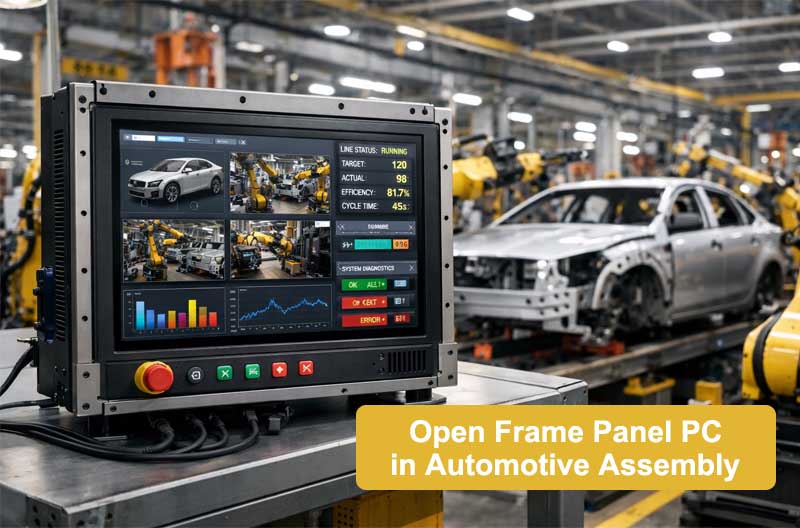
Modern automotive assembly lines demand precision, efficiency, and real-time monitoring to maintain productivity and quality. In this environment, open frame panel PCs have become an essential solution for machine integration, Human-Machine Interface (HMI) systems, and automation.
About Open Frame Panel PCs
An open frame panel PC is a rugged, industrial-grade computer designed to be integrated directly into machinery or equipment. Unlike traditional panel PCs, open frame PCs have an exposed chassis that can be mounted inside custom enclosures, making them ideal for OEM applications and automation projects. Key features include:
- Fanless, low-power operation
- Multi-touch displays for operator interaction
- Wide operating temperature range for industrial environments
- Flexible CPU options (X86 or ARM-based)
- Seamless integration with sensors, controllers, and automation equipment
Automotive Assembly Challenges
Automotive assembly lines face multiple challenges:
1. High-speed production – Lines operate 24/7, requiring reliable computing solutions.
2. Harsh environment – Dust, vibration, and fluctuating temperatures can impact electronics.
3. Complex automation systems – Machines, robotics, and conveyors require synchronized data visualization.
4. Operator efficiency – Workers need intuitive interfaces to monitor and control processes.
Solution: Open Frame Panel PCs in Action
If an automotive manufacturer implemented open frame panel PCs across its assembly line to address these challenges. Key aspects of the solution included:
1. Rugged Design for Industrial Environments
The open frame panel PCs featured fanless cooling and metal enclosures, ensuring operation in dusty, vibrating, and high-temperature environments without failure.
2. Seamless Integration with Machinery
Mounted directly inside assembly line equipment, the open frame PCs are connected to sensors, PLCs, and robotic arms, providing real-time monitoring and control.
3. Touchscreen HMI for Operators
Capacitive multi-touch screens enabled operators to quickly adjust parameters, confirm assembly status, and respond to alerts, reducing human error and training time.
4. Flexible CPU Options
Usually, the deployment included both ARM-based low-power units for monitoring and x86-based units for high-performance tasks such as quality inspection and data logging.
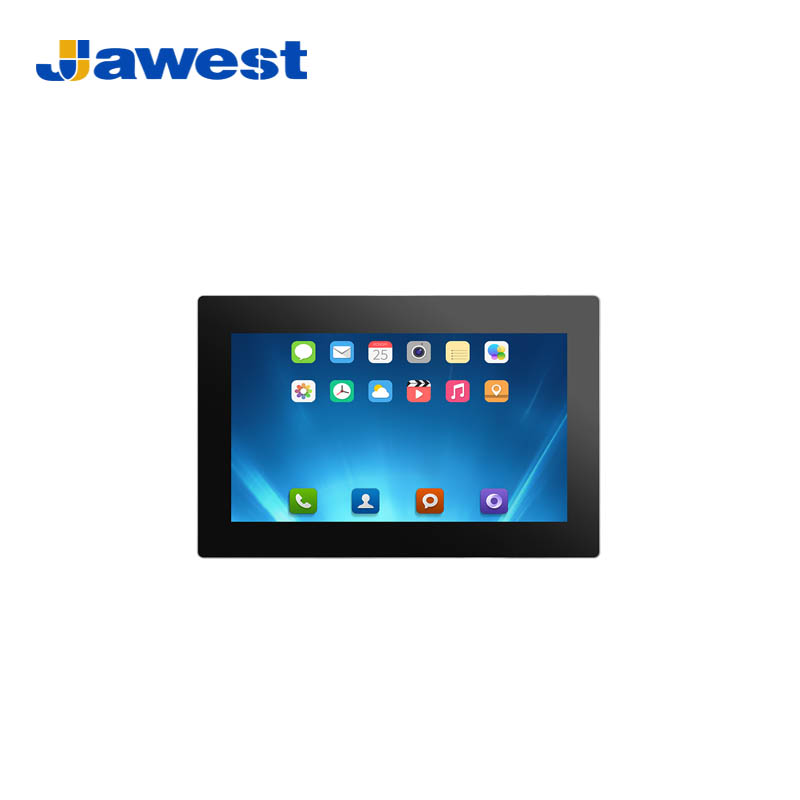
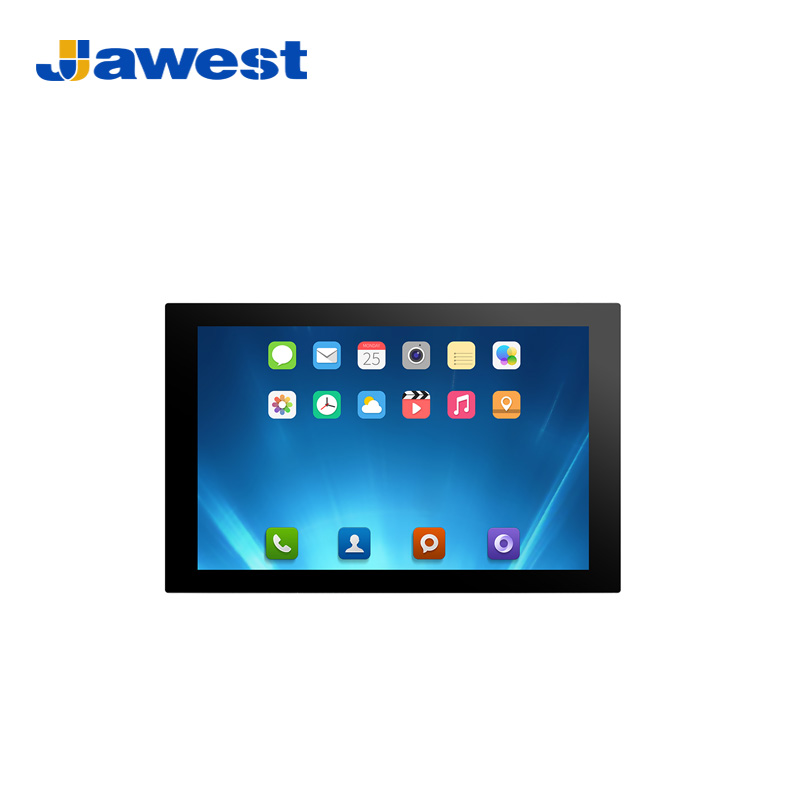
Jawest released 7-inch and 10.1-inch ARM-based open frame panel PCs, aiming to provide reliable and low power consumption industrial computing for customers.
5. Continuous Operation and Reliability
The open frame PCs ran 24/7, minimizing downtime and supporting the manufacturer’s high-volume production targets.
Results Achieved
The implementation of open frame panel PCs delivered measurable benefits:
- Increased Productivity: Real-time monitoring improved production line throughput.
- Reduced Downtime: Rugged design reduced hardware failures in harsh conditions.
- Enhanced Operator Efficiency: Touchscreen HMI simplified machine control and monitoring.
- Flexible Integration: PCs can be easily adapted to new machines and automation setups.
- Cost Efficiency: Long lifecycle and low maintenance lowered the total cost of ownership.
Why Open Frame Panel PCs Are Ideal for Automotive Assembly
Customizable Integration: Open frame design allows embedding directly into machinery or enclosures.
- Industrial Durability: Designed for vibration, dust, and temperature extremes.
- Operator-Friendly Interface: Multi-touch displays improve efficiency and reduce errors.
- Versatile Computing: Supports various CPUs and operating systems (Windows, Linux, Android).
- Long-Term Reliability: Built for continuous, long-term industrial operation.
This case study demonstrates how open frame panel PCs transform automotive assembly operations by providing robust, high-performance, and flexible computing solutions. Manufacturers can enhance productivity, reduce downtime, and ensure seamless automation integration. Whether for monitoring, HMI control, or data acquisition, open frame panel PCs are a critical tool in modern factory automation.